
What city wants in 2026
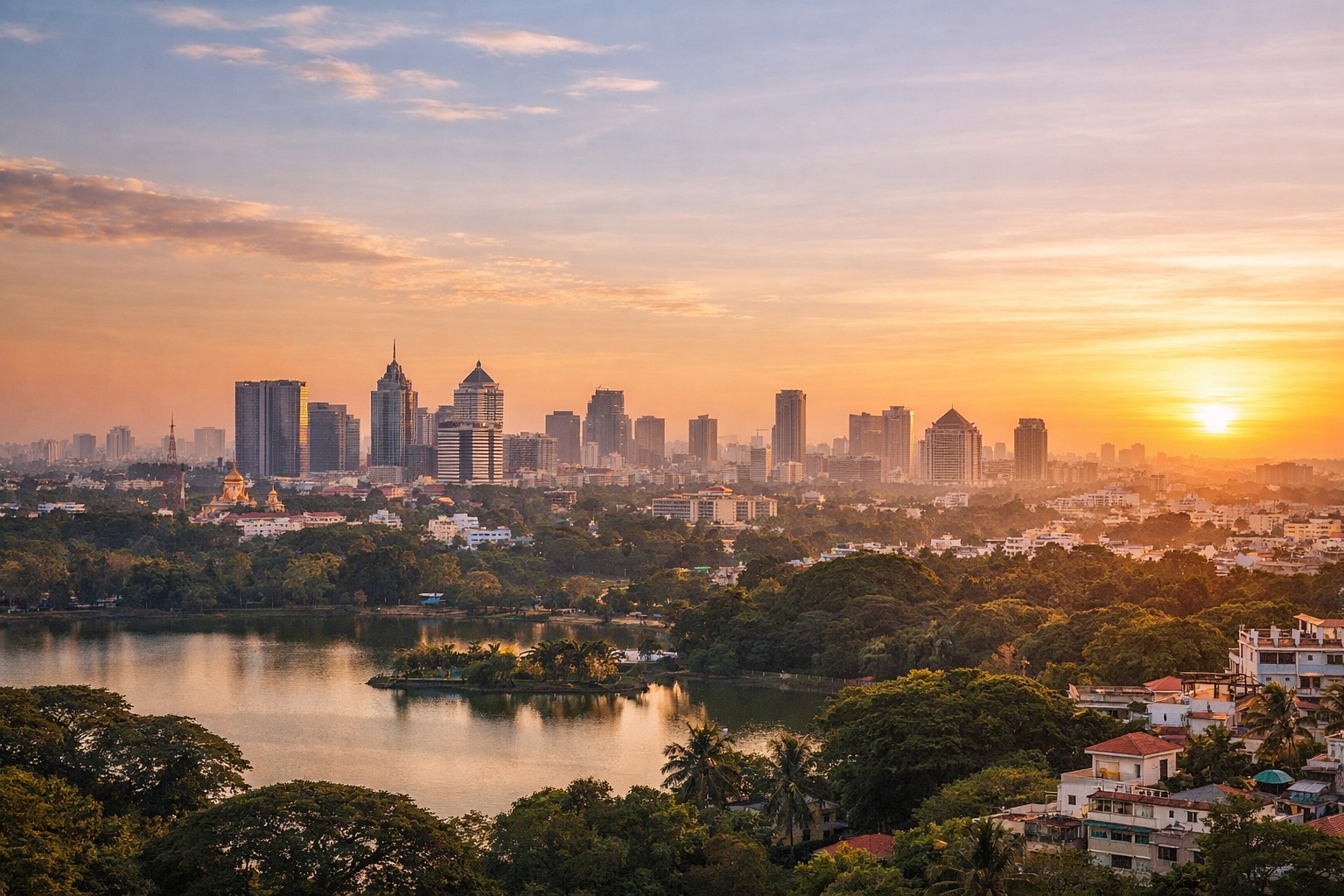
Strap: Citizens speak on roads, roots and renewal as Bangalore lays out its hopes for 2026
Blurb:
This is Part I of a two-part series capturing what Bangalore wants for 2026. From broken footpaths to culture, calm & community, citizens spell out what they want the new year to bring
Byline: Bindu Gopal Rao
As Bangalore looks to 2026, its citizens are not dreaming of bigger skylines or flashier headlines. They are asking for balance. From broken footpaths and vanishing tree cover to fading neighbourhoods and cultural memory, the concerns are rooted in daily life.
Educators, artists, scientists and cultural leaders agree on one thing: progress must make the city more humane, not more hostile. Smarter infrastructure, walkable streets, protected lakes and trees, and space for art and community are no longer optional—they are essential. Together, these voices form a clear message: Bangalore doesn’t need to grow louder or faster. It needs to grow wiser.
‘2026 must restore equilibrium’
I have lived, worked and built cultural institutions in Bangalore for decades, and my hope for 2026 is simple – balance. This has always been a city of ideas, where technology, art, education and enterprise quietly coexisted. That equilibrium needs to be consciously restored.
Infrastructure and mobility are no longer wish lists as they are necessities. Smoother public transport, walkable neighbourhoods and greener urban planning must become the norm. But progress cannot come at the cost of memory. Bangalore’s lakes, trees, heritage homes and public spaces must be protected, because they create community, not congestion.
Equally vital is investing in the city’s soft power, be it arts, independent culture, education or thoughtful public programming. A city cannot survive on economic growth alone. It must nurture creativity, dialogue and inclusivity. Supporting local artists, galleries and theatres will ensure Bangalore scales without losing its soul. For me, true progress is a humane city. A city that values quality of life, curiosity and kindness as it grows.
Gitanjali Maini, Founder, Gallery g
………………………………………………………………………………………………………………………
‘Development without destruction, please!’
What the city urgently needs in 2026, is better planned infrastructure. Good roads matter, but smarter roads matter more. They should be safe, durable, pedestrian-friendly, and seamlessly integrated with public transport and cycling paths. Infrastructure should make daily life easier, not add to the chaos.
Equally critical is fixing our stormwater drains. Flooding after every heavy rain is not natural; it is man-made, driven by neglect, encroachments and poor urban planning. Restoring and protecting these drains is vital if Bangalore is to stay resilient in a changing climate.
Above all, we must protect and expand our tree cover. Trees are the city’s lungs and natural climate regulators. They cannot be sacrificed in the name of progress. Every project must account for tree preservation, rainwater harvesting and green buffers. Bangalore was once the Garden City. With responsible governance, active citizens and a genuine commitment to sustainability, it can reclaim that identity—growing modern without losing its ecological soul. I am a Bangalorean through and through. This city is not just where I live—it is who I am.
Usha Iyer, founding principal, The Green School Bangalore
………………………………………………………………………………………………………………………
‘Walking shouldn’t be this hard’
The answer hits me instantly: our footpaths. In a city that prides itself on progress, walking even a few metres feels like running an obstacle course. A missing slab here, a sudden hole there. Garbage piles, stray food packets, animal waste, exposed poles, cockroaches crawling out of cracks—and the daily balancing act over planks slapped across open drains. The simple act of walking has been turned into an unnecessary risk.
A truly developed city isn’t defined by luxury cars or flashy LED hoardings. It’s measured by what it offers everyday citizens: safety, dignity and ease of movement. Bangalore was once a city of walkers. Evening strolls were normal. The corner store was a short, pleasant walk away. Today, walking has quietly disappeared—not entirely by choice, but by convenience, when an app can deliver even a single onion to your door.
Yes, there are big, expensive fixes one could propose. But this isn’t one of them. This change doesn’t need crores or grand visions. It needs care. Basic maintenance. Footpaths that work. Footpaths that invite people back onto the streets, one steady step at a time.
Berty Ashley, Molecular Biologist & Avid Quizzer
………………………………………………………………………………………………………………………
‘A New Year moment of reckoning’
Bangalore stands at a difficult crossroads. Relentless construction has worn down its infrastructure. The unchecked surge of vehicles has pushed an already fragile city closer to the edge. What worries me more, though, is the slow erosion of Bangalore’s cultural identity. Once rooted deeply in a Kannada ethos, the city is beginning to look and feel like any other globalised metropolis.
Cities must be open and inclusive, yes; but they must also protect what makes them distinct. Reclaiming unused urban spaces and restoring ecological balance is urgent. The Miyawaki-style mini forest near the Hebbal flyover shows how thoughtful greening can make Bangalore more humane and breathable. The city doesn’t need to grow louder or faster. It needs to grow wiser.
Hiranmayi V, professor, Srishti Institute of Art, Design and Technology
***To be continued…