
Berry good for you?
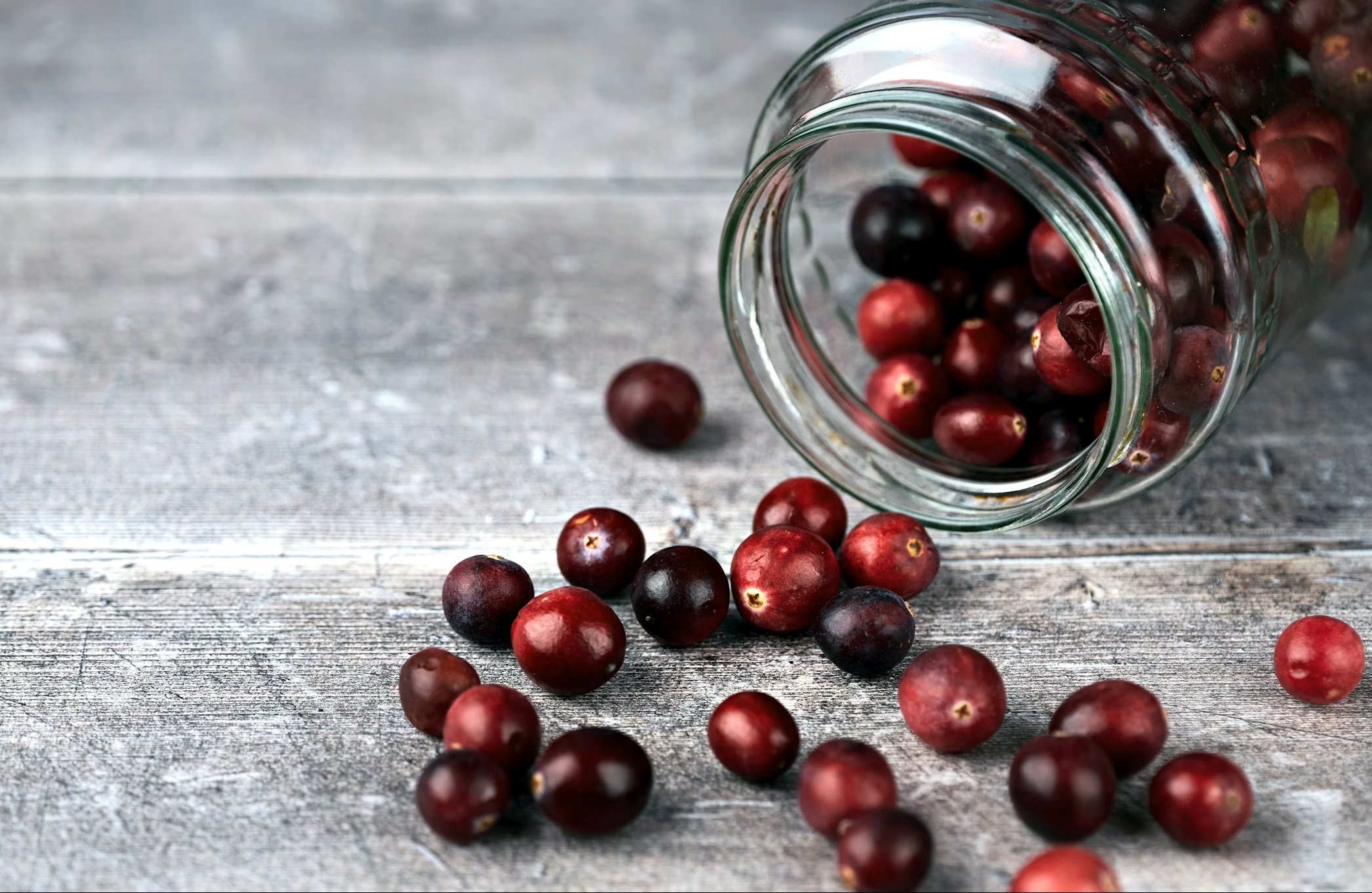
Strap: Cranberries promise heart, brain & immune boosts, but science urges balance between juice, fruit & supplements wisely
Byline: Dipa Kamdar
From festive sauces to brightly coloured juices, cranberries have long been part of our diets. Beyond their tart flavour and seasonal appeal, these red berries are often described as a superfood with several potential health benefits.
Cranberry supplements are promoted as a convenient way to get these benefits without the sugar or sharp taste of the juice. So, what does the science actually say about cranberries, and are supplements as effective as eating the fruit?
Cranberries are been investigated for their effects on heart health. They are rich in antioxidants such as anthocyanins, proanthocyanidins and quercetin. Antioxidants help protect cells from damage caused by unstable molecules called free radicals. Research shows that cranberry juice or extracts can improve several risk factors for heart disease.
These include raising levels of HDL cholesterol, often called good cholesterol because it helps remove excess cholesterol from the bloodstream, and lowering LDL cholesterol in people with diabetes. LDL is sometimes described as bad cholesterol because high levels can build up in artery walls, and it becomes even more harmful when it is oxidised.
Oxidised LDL is more likely to stick to artery walls and fuel inflammation, which contributes to plaque formation. Cranberries’ antioxidants may help slow this process. They may also improve flexibility in blood vessels, reduce blood pressure and lower homocysteine, an amino acid linked to inflammation at high levels. However, not all studies report the same findings, so the evidence remains mixed.
Researchers are also studying cranberries for their possible role in cancer prevention. Lab and animal studies show that cranberry compounds, including ursolic acid, may slow the growth of tumour cells. Some compounds have anti-inflammatory effects, which is important because chronic inflammation can contribute to the development of cancer.
A clinical trial found that cranberry juice may help reduce the risk of stomach cancer by blocking H. pylori, a bacterium strongly linked to this form of cancer, from attaching to the stomach lining. Adults who drank about two glasses of cranberry juice had lower infection rates. Lab and animal studies point to other possible anti-cancer effects, and upcoming research will determine whether these laboratory findings translate to humans.
The antioxidant and anti-inflammatory properties of cranberries may also support brain health. A 2022 study found that adults who consumed freeze-dried cranberry powder each day, which is equivalent to about 100 grams of fresh cranberries, showed better memory for daily tasks and improved blood flow to brain regions involved in learning. They also had reduced LDL cholesterol. High LDL can contribute to hardened arteries, which affects circulation.
Cranberries may also support the immune system. Studies suggest their natural compounds can make it less likely to catch colds or flu. Cranberries are a source of vitamin C, vitamin E, carotenoids and iron, all of which contribute to normal immune function.
For most people, cranberries are safe to consume in moderation. Large amounts of juice or supplements can cause stomach upset or diarrhoea. Cranberries contain oxalates, natural chemicals that may contribute to kidney stones in people who are prone to them. Sweetened cranberry juices can also undermine potential health benefits by raising sugar intake.
***From The Conversation through Creative Commons