
The khara bun years
Byline: Sarwar Borah
On a quiet Bangalore morning, before the city’s glass towers stir and traffic begins its daily crescendo, a familiar scent still drifts out of a few surviving neighbourhood bakeries. It is the smell of butter biscuits, khara buns and warm milk bread. An aroma that once defined Bangalore’s streets as surely as the fragrance of filter coffee.
For decades, the modest Iyengar bakery was an inseparable part of Bangalore’s neighbourhood life. Long before the city discovered sourdough loaves and artisanal patisseries, these bakeries fed generations of schoolchildren, office-goers and pensioners with simple, affordable baked treats.
Today, as cafés and global chains dominate the city’s foodscape, that old bakery culture is slowly fading; leaving behind a trail of nostalgia wrapped in brown butter paper.
A tradition with deep roots
The story of Bangalore’s bakery culture is often traced back to the late 19th and early 20th centuries, when enterprising members of the Iyengar community began opening small bakeries across the city. Many early bakers came from families in Karnataka’s Hassan region and gradually adapted Western baking techniques to suit local tastes.
Over time, these bakeries became a familiar sight across Bangalore’s residential neighbourhoods. One of the city’s most enduring establishments is VB Bakery, founded in 1953 in the bustling lanes of Visvesvarapuram. Over the decades, the bakery became famous for its khara buns, honey cakes and vegetable puffs. These were items that would later become staples of almost every Iyengar bakery across the city.
From Basavanagudi and Malleshwaram to Frazer Town and Indiranagar, these bakeries spread through Bangalore’s residential pockets during the 1950s and 1960s, usually occupying small corner shops with glass display shelves and aluminium trays filled with freshly baked goods.
Khara buns & butter biscuits
What set Iyengar bakeries apart was their unique blend of flavours. Instead of European pastries, the shelves displayed baked goods tailored to the local palate.
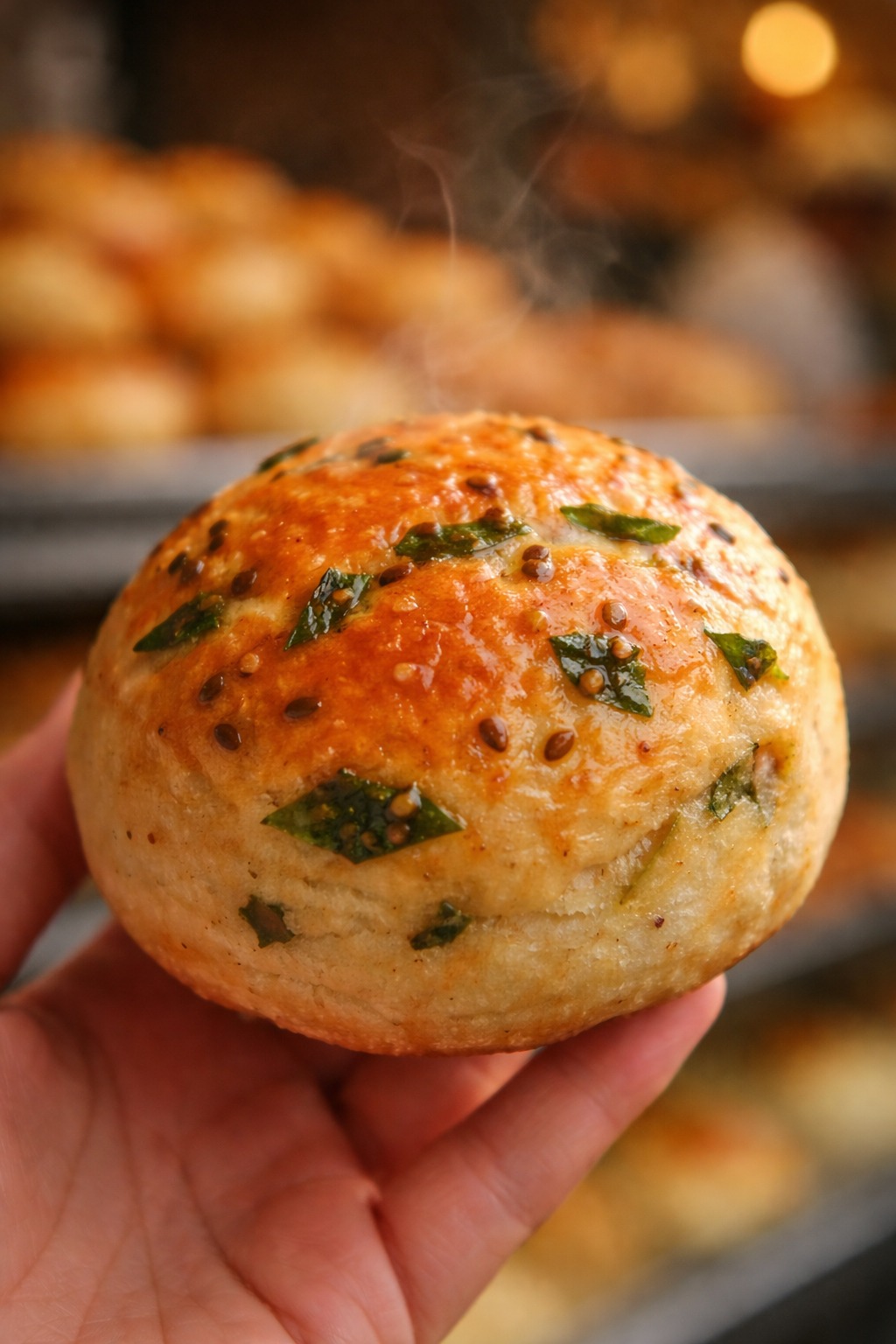
The khara bun, soft, slightly spicy and speckled with green chillies and curry leaves, became a signature item. Butter biscuits, crumbly and lightly salted, were sold by weight and packed in simple paper bags. There was also the beloved honey cake, a soft sponge layered with jam and coated in coconut flakes.
For many Bangaloreans who grew up in the 1970s and 1980s, an evening visit to the neighbourhood bakery was almost a ritual; stopping by for a quick snack before heading home.
For many denizens, memories of these bakeries are tied to the tactile experience of brown paper packets. Cakes were rarely boxed. Instead, the baker would wrap slices in thin butter paper and then fold them neatly into a sheet of newspaper or brown paper.
Children would carry those warm parcels home, the aroma of sugar and butter escaping through the folds. Opening that packet was often half the joy.
An all-day commune
Unlike modern cafés, these bakeries were woven into the everyday rhythms of the locality. Early mornings saw elderly walkers dropping in for warm buns and tea. By afternoon, schoolchildren crowded the counters, coins clutched in their hands. Evenings belonged to families picking up puffs and cakes to accompany coffee at home.
The bakeries were also remarkably democratic spaces – where a student, an office clerk and a retired professor could stand shoulder to shoulder at the counter. For many regulars, the bakery was the city’s earliest version of fast food. A place where one could grab a puff and tea in minutes and be on the way.
Surviving the café revolution
From the late 1990s onwards, Bangalore’s food culture began to shift. The arrival of coffee chains and boutique bakeries introduced croissants, cheesecakes and sourdough breads. Many old bakeries struggled to compete with rising rents and changing tastes.
Some closed quietly; others reinvented themselves with new interiors and expanded menus. Yet a handful continue to survive, often run by second- or third-generation owners who still follow recipes passed down through decades.
At VB Bakery, queues still form for khara buns in the morning. It’s a proof that nostalgia can sometimes outlast trends. Today, the number of traditional Iyengar bakeries in Bangalore is shrinking, but their cultural imprint remains unmistakable.
They were more than places to buy bread; they were neighbourhood meeting points, after-school hangouts and silent witnesses to everyday life.
In a city racing toward global tastes, the humble khara bun and butter biscuit remain reminders of a simpler culinary past when a warm paper packet from the corner bakery was enough to brighten the day. And somewhere in an old-Bangalore lane, an earlier riser may still catch that familiar smell of fresh buns and butter biscuits floating through the air.