
5 am club? Not so fast
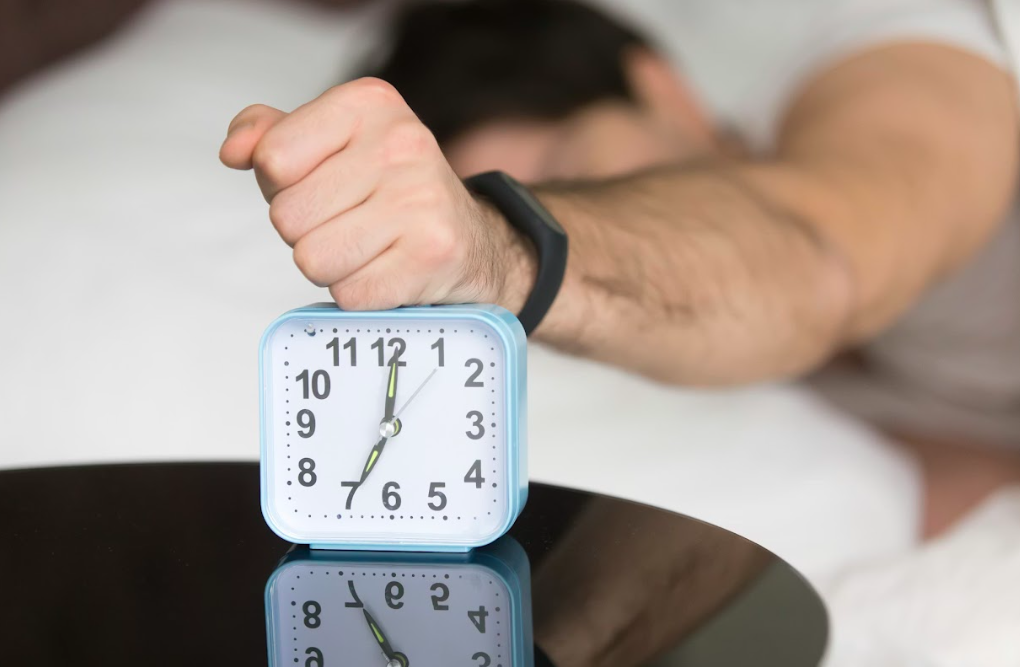
At 5 am, Instagram is already flexing. Cold plunges. Sunrise runs. Neatly written journals. The message is loud and relentless – wake up earlier, win harder.
Productivity gurus swear by it. High-profile early risers like Apple CEO Tim Cook, entrepreneur Richard Branson and Hollywood actor Jennifer Aniston are often cited as proof that dawn equals dominance. But here’s the catch – biology doesn’t always agree.
Science says the 5 am routine isn’t a magic formula. For many, it’s a mismatch. The reason lies in something called a “chronotype” – your body’s natural rhythm that determines when you feel alert or sleepy. And it’s not just habit. Research shows chronotype is partly genetic and heritable.
Some people are “larks”. The ones who wake early, feel sharp soon after, and don’t need alarms even on weekends. Others are “owls”. Tthey hit peak energy later in the day and may perform best at night. Most of us sit somewhere in between. Chronotypes also shift with age – teenagers tend to sleep later, older adults often wake earlier.
Studies show morning types often report better academic performance. They are also less likely to report substance use and are more likely to exercise regularly. Evening types, on average, report higher burnout and poorer mental and physical health. But experts say that’s often due to chronic misalignment; living out of sync with work and school schedules built around early starts.
This mismatch has a name – social jetlag. It’s the gap between your biological clock and your social clock. And it’s linked to poorer academic outcomes and wellbeing, even higher risks of diabetes, high blood pressure and obesity.
The hard truth? Waking early does not automatically create success. People tend to perform best when their schedules align with their biological rhythms. Morning types thrive in early-start systems. Evening types may struggle, not because they lack discipline, but because their peak alertness comes later.
Trying to “become” a 5 am person can create sleep debt, reduced concentration and low mood if it clashes with your biology. The initial boost may feel motivating, but it often fades once the body pushes back. The smarter move isn’t forcing the alarm earlier. It’s figuring out when your brain works best and building your day around that.
Because productivity isn’t about beating the sun. It’s about working with your clock, not against it.