
Ctrl, Alt, Delete
Strap: Three giants, three sackings, one message – elite clubs prioritise control, identity & boardroom harmony over trophies
Blurb:
Elite clubs aren’t just chasing wins, they’re selling an idea, a narrative, a brand. Managers today must not only deliver results, but embody the club’s identity, soothe anxious owners, and convince millions of fans
Byline: Rakesh Ganesh
Elite European football has never been shy about firing its coaches, yet the sheer velocity and timing of this year’s upheaval feels seismic. In the brief window between January 1 and 12, three financial giants of the game, Chelsea, Manchester United and Real Madrid. Ranked first, fourth and tenth globally by revenue, pulled the trigger on their managers.
Each dismissal wasn’t a knee-jerk reaction, but the explosive result of weeks of whispered conflict and boardroom tension. But anyone who knows their football history understands this chaos didn’t appear overnight. Something, somewhere, shifted. The question is, what forces transformed the game, and when did the fuse first get lit? Let’s dig in.
Chelsea & Enzo Maresca split
The first tremor hit on January 1. Chelsea and Enzo Maresca “mutually parted ways”, a phrase that sounded far neater than the messy reality beneath the surface. On paper, the Italian’s 18 months at Stamford Bridge looked gilded – a FIFA Club World Cup in July 2025, a UEFA Conference League triumph, a fourth-place Premier League finish and a return to the Champions League. Even a Manager of the Month award along the way.
But trophies weren’t the issue. Control was. Maresca’s frustrations simmered behind closed doors as Chelsea’s famously rigid sporting blueprint boxed him out of transfer calls, medical decisions and squad strategy. Despite his contract running through 2029, the alliance frayed in December when the manager publicly labelled one turbulent stretch “the worst 48 hours” of his tenure.
The moment the cracks broke into view, the clock started ticking. Nineteen days later, Chelsea hit reset. On January 6, the Blues unveiled Liam Rosenior on a six-year deal, a bold appointment, plucked straight from Strasbourg amid fan unrest. At 41, Rosenior arrives with promise, but also pressure – an untested Premier League manager now expected to steer one of football’s most demanding clubs. Chelsea lit the fuse. Now the world waits to see how loudly it burns.
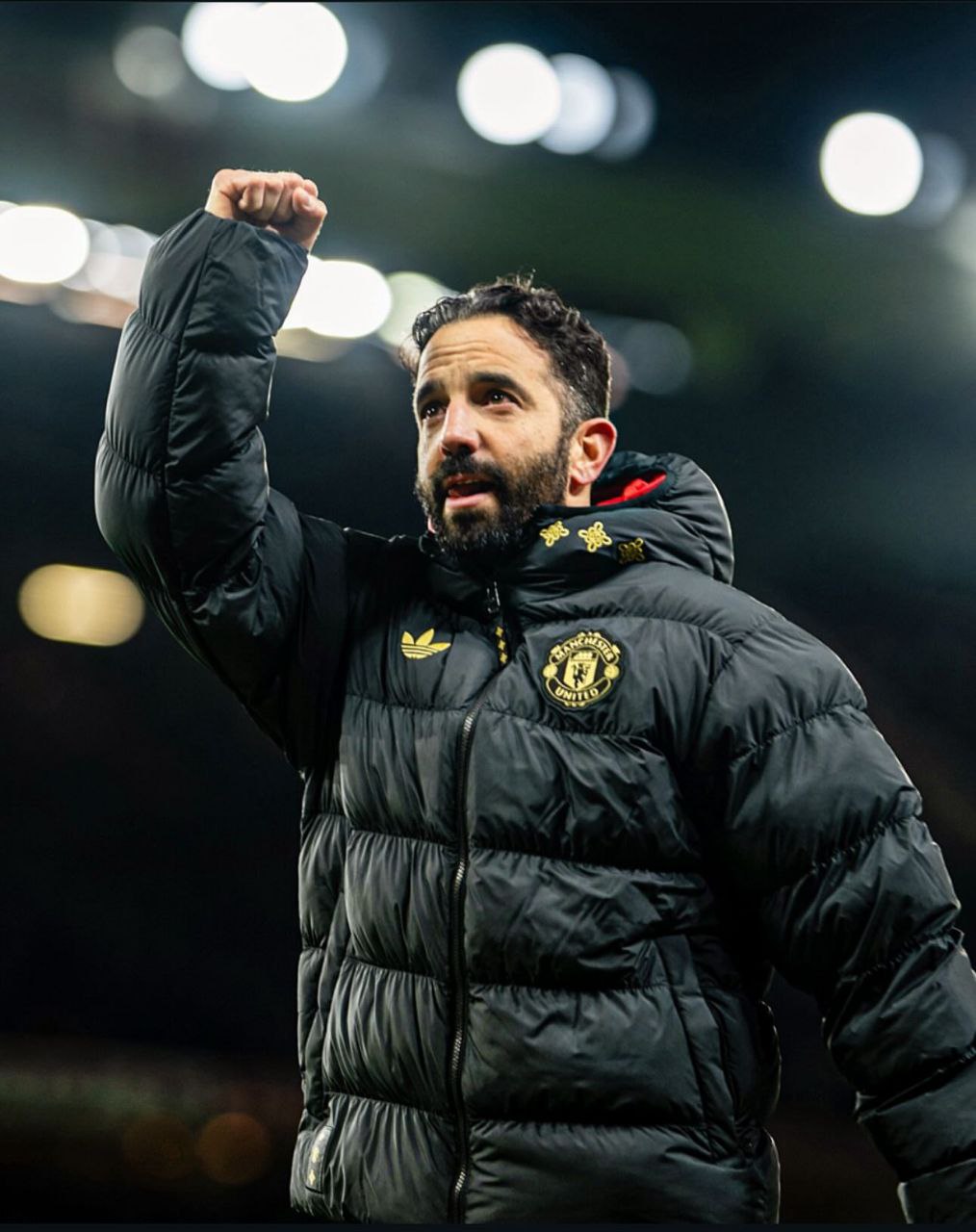
Manchester United axe Ruben Amorim
The storm gathered fast at Old Trafford. On January 5, Manchester United announced Ruben Amorim’s sacking, a decision that landed less than 24 hours after a tense 1–1 stalemate against Leeds United, and one that felt inevitable to anyone watching the smoke rise.
Amorim’s final week was a slow-motion implosion. A January 3 performance review exploded into a power struggle over tactics and decision-making. The showdown burst into public the next night when Amorim, visibly irked, fired a message at the board through the press, saying he wanted to be “manager, not coach,” and told club chiefs to “do your jobs”.
Those comments weren’t simply frustration; they were a declaration of war with the hierarchy. United framed the dismissal as “results-based”, but the timing betrayed the truth – the relationship had shattered beyond repair. After just 14 months, 24 wins from 63 games and a sixth-place standing, Amorim was out and United’s long-promised revival looked further away than ever.
The club have already slipped to seventh since his exit. Into the wreckage stepped Michael Carrick, a man steeped in the club’s identity. Appointed on January 13 until season’s end, Carrick returns to the touchline with five Premier League titles and a Champions League medal from his playing days, plus a brief unbeaten spell as interim boss in 2021. Now, the script flips – the quiet former midfield metronome is tasked with steadying a club that feels anything but quiet.
Real Madrid end Xabi Alonso’s brief Bernabéu era
The closing shockwave landed on January 12, when Real Madrid abruptly cut ties with Xabi Alonso, not even seven months after unveiling him as their next great project. The trigger? A bruising Spanish Supercopa final defeat to Barcelona, the one loss no Madrid manager survives without scars. La Liga position? four points off the summit, meant nothing. Champions League momentum, top eight and rising, didn’t matter either. At the Bernabéu, failure against Barça writes its own sentence.
But the scoreline wasn’t the full story. Whispers of a fraying dressing-room grip and an uneasy relationship with Florentino Pérez had been simmering. And at Real Madrid, navigating egos and politics matters every bit as much as tactics and trophies.
Alonso’s green shoots of progress simply couldn’t outgrow the boardroom storms. The reset was ruthless and immediate. In stepped Álvaro Arbeloa, Alonso’s former teammate at Madrid, Liverpool and Spain, a man with whom he once lifted the World Cup in 2010. Another Madrid legend returns to steady the throne, and yet another manager learns how quickly the Bernabéu crown can slip.
The commonality
It may not be a once-in-a-lifetime shock, and each saga. Maresca at Chelsea, Amorim at United, Alonso at Real Madrid, carries its own flavour. Yet beneath the surface, the same threads pulse through all three – the fit, the feeling, the grand plan.
In modern football, the job is bigger than tactics and scorelines. Elite clubs aren’t just chasing wins, they’re selling an idea, a narrative, a brand. Managers today must not only deliver results, but embody the club’s identity, soothe anxious owners, and convince millions of fans that tomorrow looks brighter than today.
The moment those clubs sensed the air turning sour, whispers of doubt, the smell of pessimism rising through the stands and corridors, they smashed the alarm glass and reset. Fair or ruthless, justified or blind, that’s football in 2026. A business, a show, and a relentless machine that refuses to wait for belief to return.